
August 24, 2026 · PeoplesNotebook
Your Future Self Might Wish You Had Documented the Ordinary Parts of Life (One More Reason to Self Reflect)
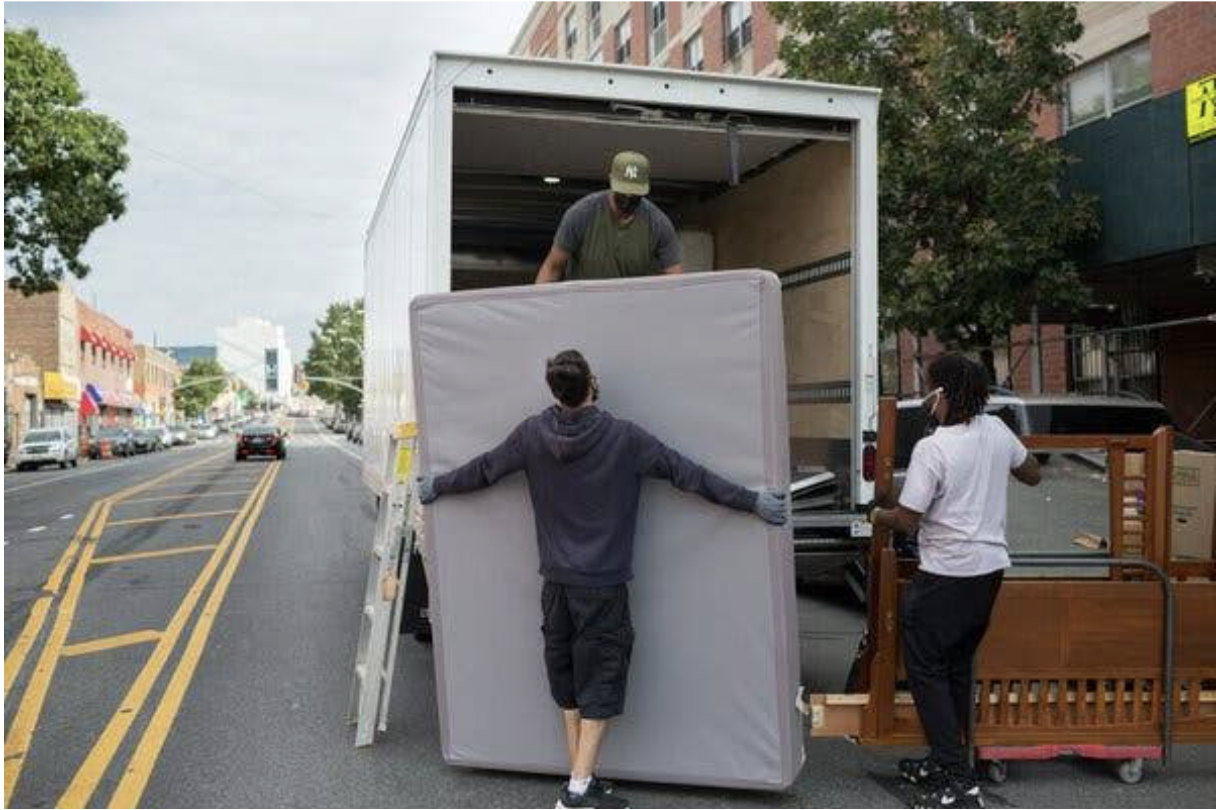
People tend to document events that seem significant: vacations, birthdays, graduations, weddings, and other milestones that are easy to identify as meaningful. Less attention is usually given to the ordinary routines that surround those events. A typical morning, a conversation with a friend, a familiar neighborhood, or the music someone listens to repeatedly can seem too mundane to record. Yet these details often provide important context for understanding a particular period of life. Photographs may preserve what a person looked like or where they were, but written reflections can preserve something less tangible: what they were thinking about, what concerned them, who they were spending time with, and how they understood their circumstances at the time.
Your Future Self Might Wish You Had Documented the Ordinary Parts of Life (One More Reason to Self Reflect)
Memory is not a complete record of experience, and as time passes, specific details become more difficult to recall, while memories that are revisited or associated with particularly significant events tend to remain more accessible. Even when the major events of a period are remembered, the surrounding details can become difficult to reconstruct. Someone may remember moving to a new city, for example, without remembering the routine they had before moving, the people they regularly saw, or the small concerns that occupied their attention. Recording these details while they are still familiar creates a record that can later provide a more complete picture of the period.
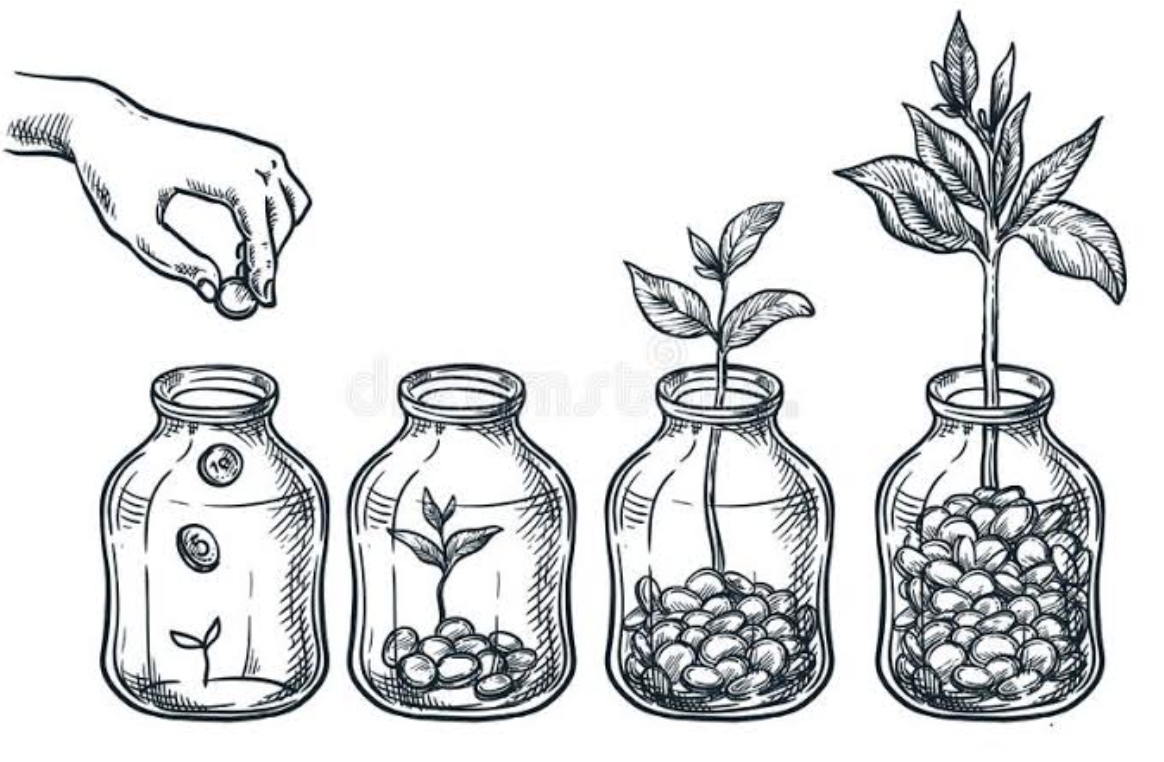
The value of documenting everyday life is also connected to how much circumstances change over time. Daily routines that currently feel permanent rarely remain that way indefinitely. Jobs change, people graduate, friendships evolve, family members move, and interests develop. Because these changes often happen gradually, it can be difficult to recognize them while they are occurring. A written reflection creates a point of comparison. Looking back at something written months or years earlier can reveal differences in priorities, relationships, concerns, and expectations that would otherwise be difficult to notice. In this sense, documenting the present is not simply an exercise in preserving memories; it can also provide a record of personal change.
This does not require maintaining a detailed journal or writing every day. A short reflection at the end of a week or month can capture many of the details that are otherwise likely to be forgotten. What happened during the period? Which people were important? What occupied most of your attention? What were you looking forward to, and what were you concerned about? Questions like these create a record of experience without requiring a significant commitment of time. The writing itself does not need to be polished or particularly insightful. Its usefulness comes from its ability to preserve information that may become difficult to reconstruct later.
The present is often difficult to recognize as something that will eventually become the past. That is partly what makes documenting ordinary life valuable. The routines, relationships, interests, and concerns that seem unremarkable in the moment can provide a surprisingly detailed picture of who someone was during a particular period. Years later, those details may offer more than simple nostalgia. They can provide context for understanding how circumstances changed and how a person changed with them. Taking a few minutes to record what life looks like today is therefore a relatively simple way of preserving a perspective that cannot be recreated once the moment has passed.